Breast Augmentation is one of the most popular cosmetic surgeries in the world, chosen by women who wish to enhance their confidence and body image. Whether you’re considering it for aesthetic reasons or to restore breast volume after pregnancy, weight loss, or surgery, it’s essential to understand the procedure in detail. This complete guide will take you through everything you need to know about Breast Augmentation — from types of implants to recovery and long-term expectations.
To know more about our expertise, visit Dr. Joyce Jesudass, Plastic and Cosmetic Surgeon in Bangalore.
What is Breast Augmentation?
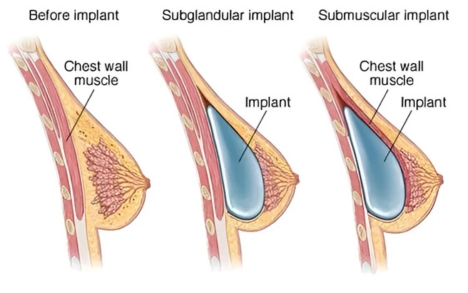
Breast Augmentation, also known as augmentation mammoplasty, is a surgical procedure designed to increase breast size, improve shape, or restore fullness. The surgery typically involves placing implants beneath the breast tissue or chest muscles. For many women, Breast Augmentation not only enhances physical appearance but also boosts self-esteem and body confidence.
Why Do Women Choose Breast Augmentation?
Every woman has her own reasons for undergoing Augmentation. Some of the most common include:
Enhancement of size and shape: Women looking for fuller, proportionate breasts often choose this procedure.
Restoring volume: Pregnancy, breastfeeding, or weight loss can cause breasts to lose volume and firmness, which Breast Augmentation can help restore.
Correction of asymmetry: If one breast is noticeably smaller than the other, augmentation can bring better balance.
Reconstruction after surgery: Women who undergo mastectomy may opt for Breast Augmentation as part of breast reconstruction.
Types of Breast Implants
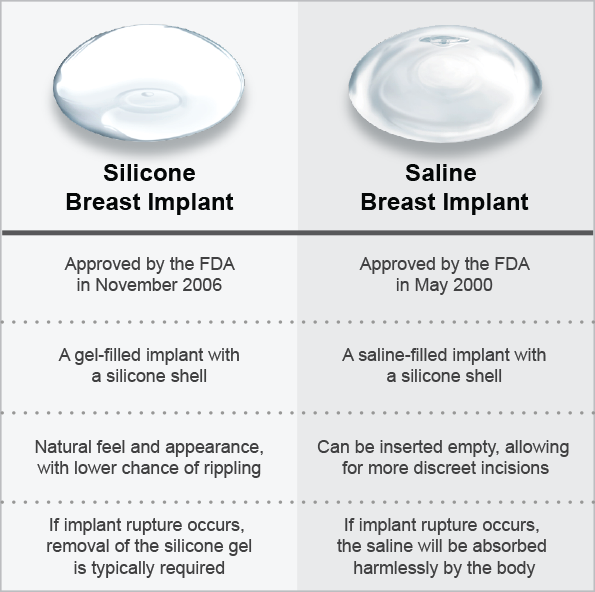
One of the biggest decisions in Breast Augmentation is selecting the type of implant. The two most common options are:
1. Silicone Implants:
Filled with silicone gel, which feels more like natural breast tissue.
Require regular monitoring through MRI or ultrasound to ensure proper function.
2. Saline Implants:
Filled with sterile salt water.
Provide uniform shape and firmness.
In case of rupture, the saline is safely absorbed by the body.
Your surgeon will help you choose the right type, size, and shape of implant based on your goals, body type, and lifestyle.
The Breast Augmentation Procedure
The surgery is generally performed under general anesthesia and takes about one to two hours. The surgeon makes an incision in one of the following areas:
Inframammary fold (under the breast crease)
Periareolar (around the nipple)
Transaxillary (under the armpit)
Through the incision, the implant is placed either behind the breast tissue or beneath the chest muscle. The choice of incision and placement depends on several factors including body structure, implant type, and desired outcome.
Recovery After Breast Augmentation
Recovery time varies from person to person, but most patients can return to normal daily activities within a week. Here’s what you can expect:
First few days: Swelling, soreness, and discomfort are common. Pain medication may be prescribed.
One week: Many women return to work, provided their job is not physically demanding.
Four to six weeks: Heavy lifting and strenuous exercise should be avoided until cleared by the surgeon.
Long-term: Implants may require periodic monitoring, and in some cases, replacement over time.
Following your surgeon’s instructions is critical for smooth healing and achieving the best results from Augmentation.
Risks and Considerations
Like any surgical procedure, Breast Augmentation carries potential risks. These may include:
Infection
Capsular contracture (scar tissue forming around the implant)
Implant rupture or leakage
Changes in nipple sensation
Choosing a qualified and experienced plastic surgeon greatly reduces risks and ensures safer, more satisfactory results.
Is Breast Augmentation Right for You?
Deciding to undergo Breast Augmentation is deeply personal. It’s important to evaluate your expectations, overall health, and reasons for wanting the procedure. Ideal candidates are women in good health, non-smokers, and those who have realistic expectations about the results.
Final Thoughts
It is more than just a cosmetic procedure — it’s a life-changing decision that can transform both physical appearance and emotional well-being. With modern techniques, advanced implant options, and skilled surgeons, the procedure has become safer and more customizable than ever before.
If you’re considering Augmentation, consult with a board-certified plastic surgeon who can guide you through your options, explain the risks, and help you achieve the look you desire. With the right approach, Breast Augmentation can enhance not only your body but also your confidence and quality of life.
FAQs:
How long does Breast Augmentation surgery take?
This surgery typically takes about 1 to 2 hours. However, including preparation and recovery time at the clinic, the entire process may take 3 to 4 hours.
How long do breast implants last?
Breast implants are not considered lifetime devices. On average, they last 10–15 years, though many women keep them longer without issues. Regular check-ups and imaging can help monitor implant condition.
Is Breast Augmentation painful?
Some discomfort, swelling, and soreness are normal after this surgery, especially during the first few days. Pain is usually managed with prescribed medication, and most women return to normal activities within a week.