A large number of males are embarrassed about having some extra fatty tissue on their chest area. However, very few males are aware about what they might be suffering from – either it could be gynecomastia or it might be chest fat. The reason why it becomes necessary for males to be aware about gynecomastia vs chest fat is that they look very similar.
Within this comprehensive tutorial, we will discuss gynecomastia vs. chest fat, identifying these conditions, complications and causes, as well as ways on how to treat them.
To know more about our expertise, visit Dr. Joyce Jesudass, Plastic and Cosmetic Surgeon in Bangalore.
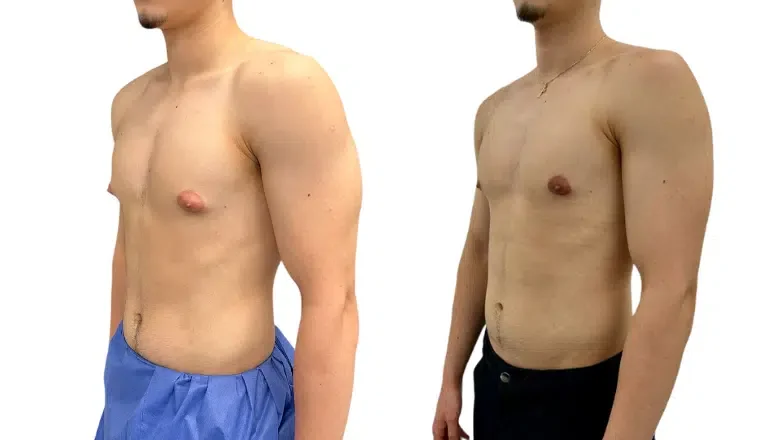
What Is Gynecomastia?
Gynecomastia refers to a hormonal imbalance involving an increase in male breast glandular tissues. It should be noted that gynecomastia arises due to hormonal imbalance and not because of excess fatty tissues, as occurs with chest fat. Gynecomastia arises due to an imbalance created as a result of an increase in estrogen levels and low levels
Key Features of Gynecomastia
Firm or rubbery lump under the nipple
Enlarged, puffy nipples
Tenderness or pain
Occurs even in men who are not overweight
Does not reduce significantly with exercise
Gynecomastia occurs very commonly among adolescent males and males because of hormonal imbalances, health and lifestyle factors, and genetics.
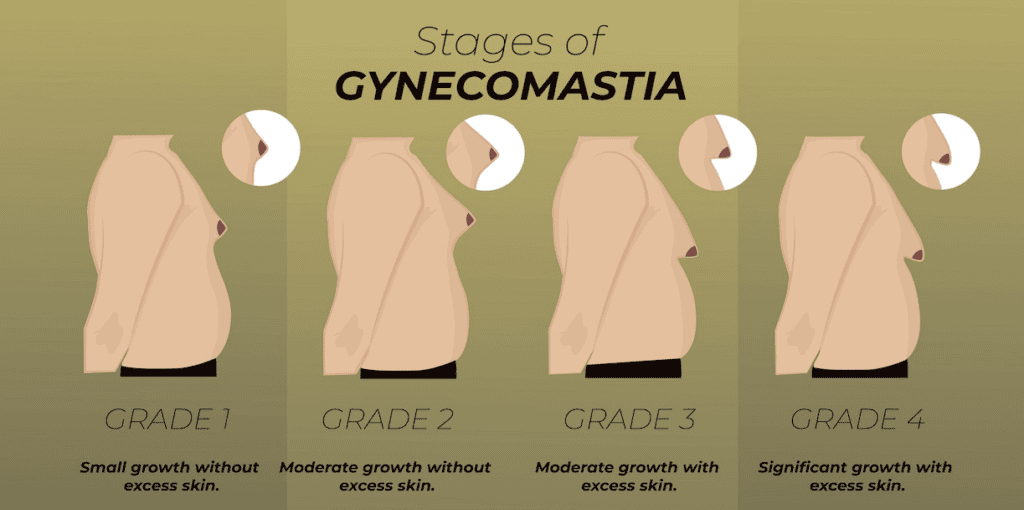
What Is Chest Fat (Pseudogynecomastia)?
Chest Fat, also known as Pseudogynecomastia, is no more than Fat deposition on the chest. It typically happens due to:
Weight gain
Poor diet
Lack of exercise
Obesity
Low metabolism
Unlike in actual gynecomastia, chest adipose tissue can be soft to touch, painless, and reversible with weight loss and burning exercises.
Gynecomastia vs Chest Fat: The Key Differences
Comprehending gynecomastia vs chest fat can be achieved with these major distinctions:
1. Type of Tissue
Gynecomastia: Glandular (hard, firm) tissue
Chest Fat: Soft fatty tissue
2. Feel on Touch
Gynecomastia: Feels like a rubbery lump under the nipple
Chest Fat: Feels soft and squeezable
3. Nipple Appearance
Gynecomastia: Nipples become puffy or point outward
Chest Fat: Nipples remain normal
4. Pain or Tenderness
Gynecomastia: Mild pain or sensitivity
Chest Fat: No pain
5. Weight Loss Effect
Gynecomastia: Does not reduce with diet/exercise
Chest Fat: Reduces noticeably
These factors clearly define the difference between gynecomastia and chest fat and will assist you in identifying what you may have.
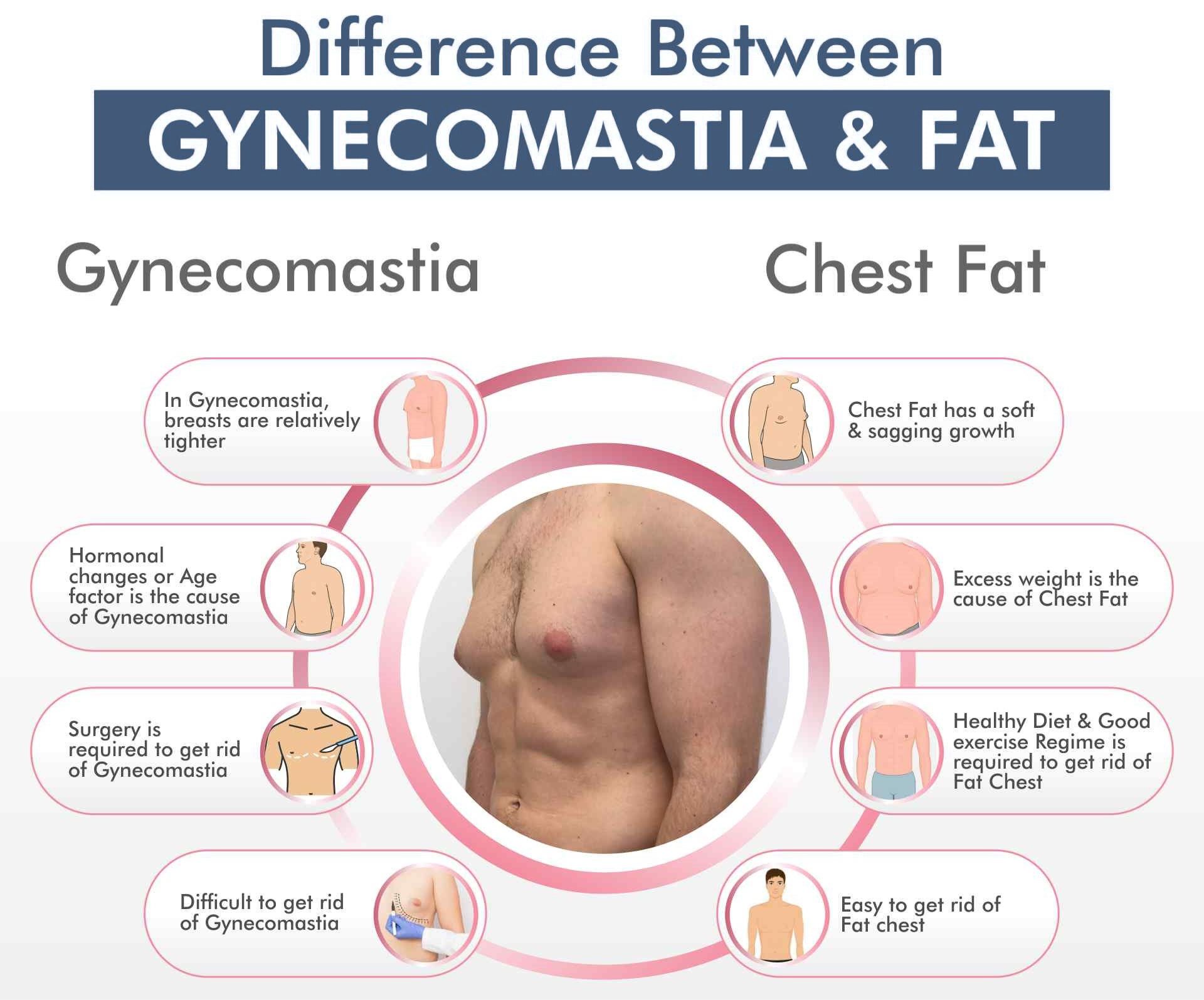
You can check these factors yourself with the following simple tests:
1. Pinch Test
If the tissue feels hard → gynecomastia
If it feels soft → chest fat
2. Nipple Puffiness Check
Puffy or prominent nipples even at room temperature = gynecomastia.
3. Weight Loss Observation
If the chest continues to be enlarged despite the reduction of fatty tissues → gynecomastia.
4. Lump Test
A mass underneath the nipple represents gynecomastia.
From these simple observations, it becomes much easier to differentiate gynecomastia and chest fat without expertise.
What Causes Gynecomastia?
Some common causes include:
Hormonal changes (puberty, aging)
Medications like steroids, anti-depressants, and anti-androgens
Alcohol and recreational drugs
Health conditions (thyroid, liver issues)
Genetic factors
What Causes Chest Fat?
Chest fat mostly comes from:
Poor diet
High body fat percentage
Lack of physical activity
Excess calories
Genetic fat distribution
Can Gynecomastia Be Treated Without Surgery?
Only early-stage gynecomastia may improve with:
Hormonal treatment
Stopping medications causing the condition
Supplements (doctor-guided)
Fully formed glandular tissue, on the other hand, does NOT reduce with exercise and diet. Which makes understanding gynecomastia vs. chest fat so valuable.
Gynecomastia Surgery: The Best Method of Treatment
Only surgery will permanently and absolutely correct a case of true gynecomastia.
What Surgery Does:
- Eliminates glandular tissues
- Removes excessive fatty tissues
- Defines chest region with a male physique.
- It requires but 1-2 hours and leaves no scars and heals very rapidly.
Final Thoughts
To effectively treat your issue with your breasts, it is necessary to learn about and differentiate gynecomastia and chest fat. Chest fat can be reduced with exercise and diet, but gynecomastia should be seen by a doctor and possibly will need surgery. It is very important to diagnose your situation properly.
FAQs:
How do I know that I have gynecomastia and not chest fat?
Gynecomastia is hard with a lump beneath the nipple. Chest fat is puffy and soft. It decreases with weight loss. Puffy nipples are normally a sign of gynecomastia.
Will Exercise Help with gynecomastia?
Exercise may help burn chest fat but will not eliminate glandular tissue. To totally get rid of gynecomastia, medical and surgical procedures are needed.
Does gynecomastia resolve itself on its own?
Pubertal gynecomastia can resolve on its own within 6 to 24 months. In adults, glandular-type gynecomastia rarely resolves without treatment.