Facial Fat Grafting Recovery: what to Expect Week by Week
Facial Fat Grafting Recovery: What to Expect Week by Week is an important topic for anyone considering facial fat transfer. Fat grafting is a cosmetic procedure in which fat is taken from another area of your body and carefully injected into areas of the face that need more volume.
It can help restore fullness in the cheeks, under-eye area, temples, lips and other parts of the face. While the procedure is generally well tolerated, knowing what happens during each stage of recovery can help you prepare better and avoid unnecessary worry.
Recovery can vary from person to person depending on the amount of fat transferred, treatment area, individual healing ability and the technique used by the surgeon.
Here is a general week-by-week guide to help you understand what you may experience after the procedure.
Facial Fat Grafting Recovery During the First 24 Hours
The first day is mainly focused on rest and protecting the treated areas. You may notice swelling, mild bruising, tightness or tenderness around the face. The area from which the fat was collected may also feel sore.
Your surgeon may recommend keeping your head elevated while sleeping. This can help reduce swelling. Avoid touching, rubbing or putting unnecessary pressure on the treated areas.
Some patients may feel that the face looks fuller than expected immediately after surgery. This is normal because the initial appearance is affected by swelling and the newly transferred fat.
Follow all medication and aftercare instructions given by your surgeon. Do not take medicines or apply products to the treated area without medical advice.
Week 1: Swelling and Bruising After Facial Fat Transfer
During the first week, swelling and bruising are usually more noticeable. The face may appear uneven or slightly overfilled during this period. This does not necessarily represent the final result.
Most patients are advised to avoid strenuous exercise, heavy lifting and activities that may increase blood flow to the face. You should also protect your face from unnecessary pressure.
Gentle daily activities may be possible depending on your procedure and your surgeon’s advice. However, your recovery should be guided by your individual condition rather than a fixed timeline.
Keeping the head elevated while sleeping may continue to be helpful. Follow your surgeon’s instructions regarding washing your face, skincare products and makeup.
Week 2: Gradual Reduction in Facial Swelling
By the second week, many patients begin to notice that swelling and bruising are gradually improving. Your facial features may start looking more natural, although the final outcome is still developing.
Some mild swelling may remain, particularly around areas such as the cheeks or under the eyes. You may also experience slight tenderness.
At this stage, you may feel more comfortable returning to social activities, depending on your recovery. If you have a job that does not require physical effort, you may be able to return to work earlier, subject to your surgeon’s recommendation.
Continue avoiding activities that can put pressure on your face or interfere with healing.
Week 3 to 4: Facial Fat Grafting Healing Progress
During weeks three and four, the face generally continues to settle. A significant amount of the initial swelling should have reduced, allowing you to get a better idea of the developing result.
The transferred fat needs time to establish a blood supply in its new location. Some of the injected fat may naturally be absorbed by the body. Because of this, the appearance can continue changing during the healing period.
You may gradually return to your normal routine if your surgeon confirms that your healing is progressing well. Exercise and other activities should be restarted slowly rather than immediately returning to your previous intensity.
If you notice persistent pain, increasing redness, unusual discharge or other concerning symptoms, contact your surgeon promptly.
Week 5 to 6: More Natural Facial Contour
By weeks five and six, most visible swelling should have significantly reduced. Your face may begin to look softer and more natural as the tissues settle.
The treated areas may still undergo subtle changes. It is important not to judge the final outcome too early because fat survival and tissue healing continue over time.
At this stage, many patients feel more confident about their appearance and can return to most normal activities. However, your surgeon may provide specific restrictions depending on the treatment area and your individual healing.
Good skincare, sun protection and a healthy lifestyle can support overall skin health during this period.
Month 2 to 3: Understanding the Final Facial Fat Grafting Results
Around two to three months after the procedure, the results are generally easier to assess. Much of the swelling should have disappeared, and the facial contours may look more settled.
The amount of fat that survives varies between individuals. Some patients may retain a substantial amount of the transferred fat, while others may experience greater absorption.
Your surgeon may assess the results during follow-up appointments and determine whether the outcome is progressing as expected.
If you are interested in understanding the benefits of this procedure, you can also read Fat Grafting: A Natural Way to Enhance Facial Volume for more information about facial volume restoration.
Tips for a Smooth Facial Fat Grafting Recovery
Following proper aftercare can make your recovery more comfortable. Some general tips include:
- Follow your surgeon’s post-procedure instructions carefully.
- Sleep with your head elevated if advised.
- Avoid unnecessary pressure or rubbing on the treated areas.
- Stay away from strenuous exercise until you receive clearance.
- Protect your skin from excessive sun exposure.
- Maintain a balanced diet and stay adequately hydrated.
- Attend all scheduled follow-up appointments.
- Avoid smoking, as it can interfere with normal healing.
- Do not use new skincare products without consulting your doctor.
Following proper aftercare can make your recovery more comfortable. Some general tips include:
- Follow your surgeon’s post-procedure instructions carefully.
- Sleep with your head elevated if advised.
- Avoid unnecessary pressure or rubbing on the treated areas.
- Stay away from strenuous exercise until you receive clearance.
- Protect your skin from excessive sun exposure.
- Maintain a balanced diet and stay adequately hydrated.
- Attend all scheduled follow-up appointments.
- Avoid smoking, as it can interfere with normal healing.
- Do not use new skincare products without consulting your doctor.
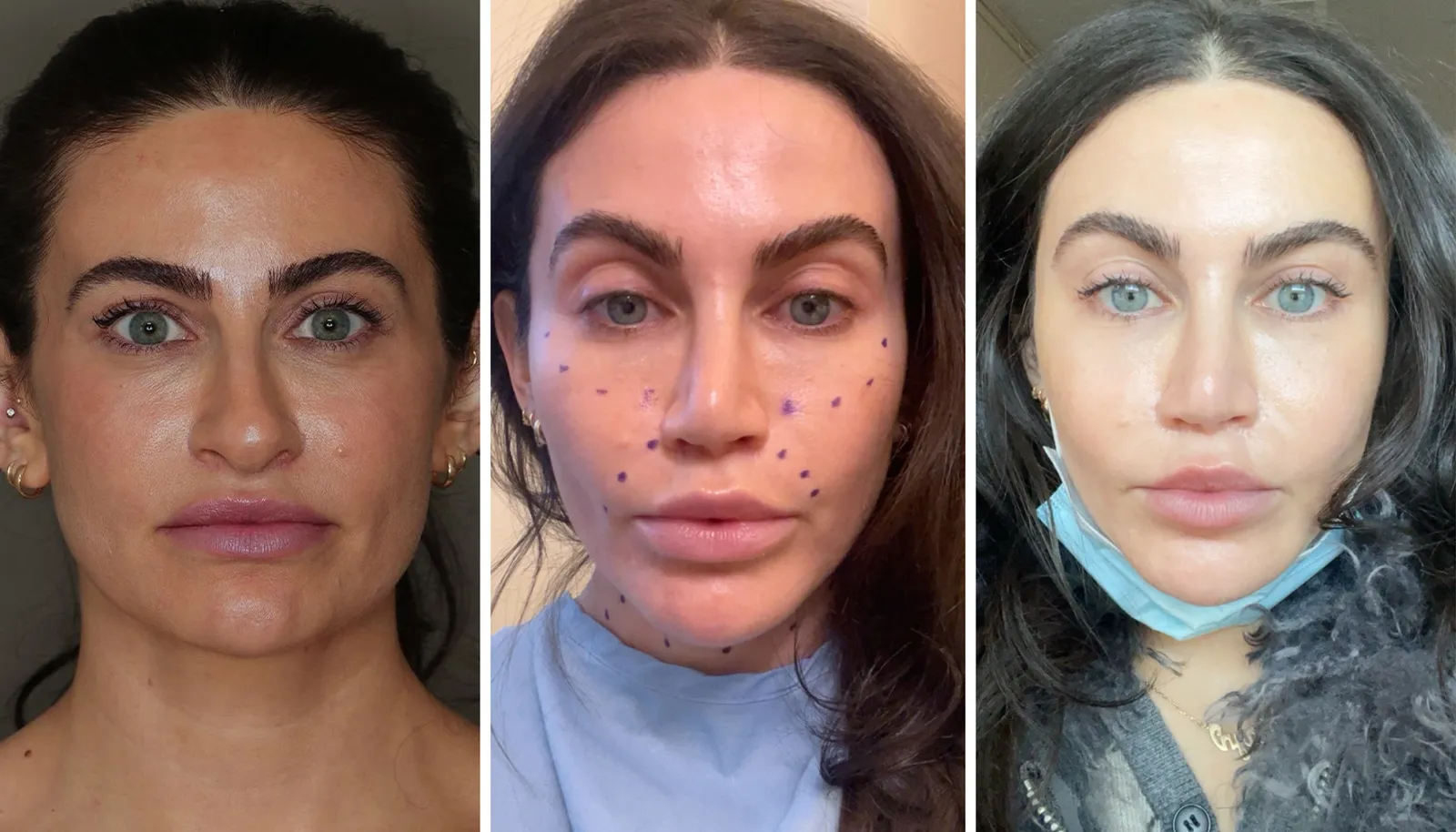
Remember that every person’s healing process is different. Comparing your recovery with photographs or experiences of other patients may create unnecessary anxiety.
When to Contact Your Surgeon During Recovery
Mild swelling, bruising and tenderness can be expected after facial fat transfer. However, certain symptoms should not be ignored.
Contact your surgeon if you experience severe or worsening pain, rapidly increasing swelling, significant redness, fever, unusual discharge, skin colour changes or any other symptom that concerns you.
Prompt medical evaluation can help identify and manage potential complications at an early stage.
Final Thoughts on Facial Fat Grafting Recovery
Understanding Facial Fat Grafting Recovery: What to Expect Week by Week can help you prepare realistically for the healing process. The first few days are usually associated with swelling and bruising, while the following weeks bring gradual improvement in facial appearance and comfort.