Cleft lip is one of the most common congenital facial conditions affecting newborns worldwide. It occurs when the tissues that form the upper lip do not join properly during fetal development, resulting in a gap or opening in the lip. While the condition can affect appearance, it may also create difficulties with feeding, speech development, and overall oral function. Fortunately, modern medical advancements have made cleft lip repair surgery highly effective, helping children achieve improved function and facial aesthetics.
Understanding Cleft Lip
A cleft lip can range from a small notch in the upper lip to a larger opening extending into the nose. Some children may have a cleft lip alone, while others may also have a cleft palate. The condition develops during the early stages of pregnancy and is usually diagnosed at birth or during prenatal ultrasound scans.
Although the exact cause is not always known, genetic factors, environmental influences, and certain maternal health conditions may increase the risk of a baby being born with a cleft lip.
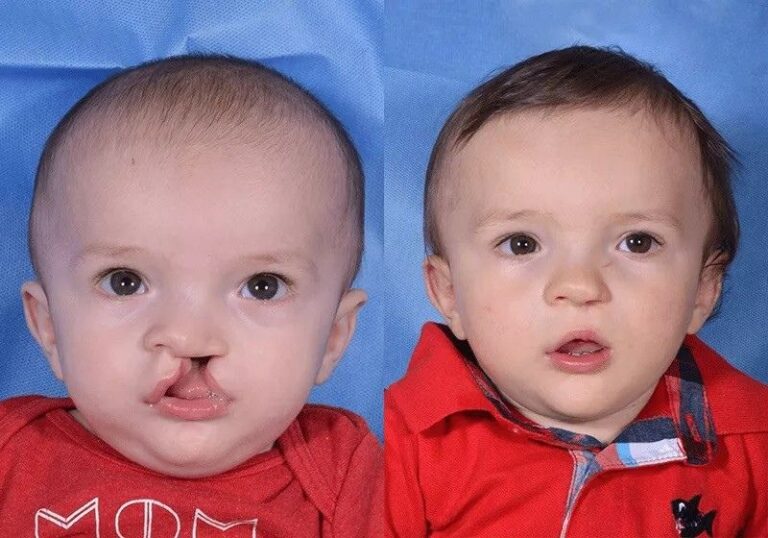
What Is Cleft Lip Repair Surgery?
Cleft lip repair surgery is a reconstructive procedure designed to close the gap in the upper lip and restore normal appearance and function. The surgery is typically performed when the baby is between 3 and 6 months old, depending on their overall health and medical condition.
The primary goals of the surgery include:
- Closing the separation in the lip
- Improving facial symmetry
- Restoring normal muscle function
- Supporting proper feeding and speech development
- Enhancing long-term cosmetic appearance
The procedure is performed under general anesthesia by a qualified plastic and reconstructive surgeon.
How Is the Surgery Performed?
During cleft lip repair surgery, the surgeon carefully makes incisions on both sides of the cleft. The tissues and muscles are then repositioned and stitched together to create a natural-looking lip contour.
Special attention is given to reconstructing the lip muscles, as they play an important role in facial expression, speech, and eating. In some cases, minor nasal correction may also be performed during the same surgery to improve overall facial balance.
The procedure usually takes one to three hours, depending on the complexity of the cleft.
Recovery After Cleft Lip Repair Surgery
Most children stay in the hospital for one or two days following surgery. Parents receive detailed instructions regarding feeding, wound care, and activity restrictions.
Common aspects of recovery include:
- Mild swelling and bruising around the lip and nose
- Temporary discomfort managed with prescribed medications
- Special feeding techniques during the healing period
- Follow-up appointments to monitor healing
The surgical scar gradually fades over time and becomes less noticeable as the child grows. Regular follow-ups help ensure optimal healing and development.
Benefits of Cleft Lip Repair Surgery
The benefits of cleft lip repair extend far beyond cosmetic improvement. The surgery significantly enhances a child’s quality of life by addressing both functional and emotional concerns.
Improved Feeding Ability
A repaired lip helps infants feed more effectively, supporting healthy growth and development.
Better Speech Development
Proper lip structure contributes to clearer speech and language development as the child grows.
Enhanced Facial Appearance
The surgery restores facial balance and symmetry, helping children feel more confident.
Emotional and Social Well-Being
Correcting the cleft early in life can reduce social challenges and improve self-esteem.
Are Additional Procedures Needed?
Some children may require additional treatments as they grow. These can include:
- Cleft palate repair
- Speech therapy
- Orthodontic treatment
- Nose reshaping procedures
- Scar revision surgery
The treatment plan varies based on the severity of the condition and the child’s individual needs.
Choosing an Experienced Surgeon
Successful cleft lip repair requires expertise in reconstructive and cosmetic surgery. Choosing a skilled surgeon ensures both functional restoration and natural-looking results.
If you are looking for expert cleft lip treatment, consult Dr. Joyce Jesudass, Plastic and Cosmetic Surgeon in Bangalore, who specializes in advanced reconstructive and cosmetic procedures. An experienced surgeon can guide parents through every stage of treatment and recovery while ensuring the best possible outcomes for the child.
Conclusion
Cleft lip repair surgery is a life-changing procedure that restores both function and appearance for children born with a cleft lip. Early surgical intervention helps improve feeding, speech development, facial aesthetics, and overall confidence. With modern surgical techniques and expert care, most children go on to lead healthy, happy, and fulfilling lives. Consulting an experienced plastic surgeon is the first step toward achieving the best possible results and supporting your child’s long-term well-being.
Frequently Asked Questions (FAQs)
At what age is cleft lip repair surgery performed?
Most babies undergo cleft lip repair surgery between 3 and 6 months of age, depending on their health and growth.
Is cleft lip repair surgery safe?
Yes. When performed by an experienced surgeon, cleft lip repair surgery is considered safe and has a high success rate.
Will there be a scar after surgery?
A small scar is usually present, but it typically fades significantly over time and becomes less noticeable.
Can cleft lip affect speech?
Yes. Children with cleft lip and palate may experience speech difficulties, which often improve after surgical repair and speech therapy.
Will my child need additional surgeries?
Some children may require further procedures such as palate repair, orthodontic treatment, or minor revision surgeries as they grow.